
What Businesses Should Know Before Installing EV Chargers in Alberta

Moha Tuano • December 29, 2025

Share this article

Electric vehicle adoption is accelerating across Alberta, and businesses are increasingly recognizing the value of offering EV charging on-site. From supporting employee commuting to attracting customers and preparing for electric fleets, charging infrastructure is quickly becoming a practical business asset — not just a sustainability feature.


Whether your organization is motivated by environmental goals, customer convenience, or future-proofing your operations, installing EV chargers requires thoughtful planning. Commercial charging is significantly different from residential installations, and making the right decisions upfront can substantially reduce costs and operational challenges down the road.


At Evalence, we work with Alberta businesses to design and install EV charging systems that are safe, efficient, and built to grow with demand. Here’s what organizations should understand before getting started.

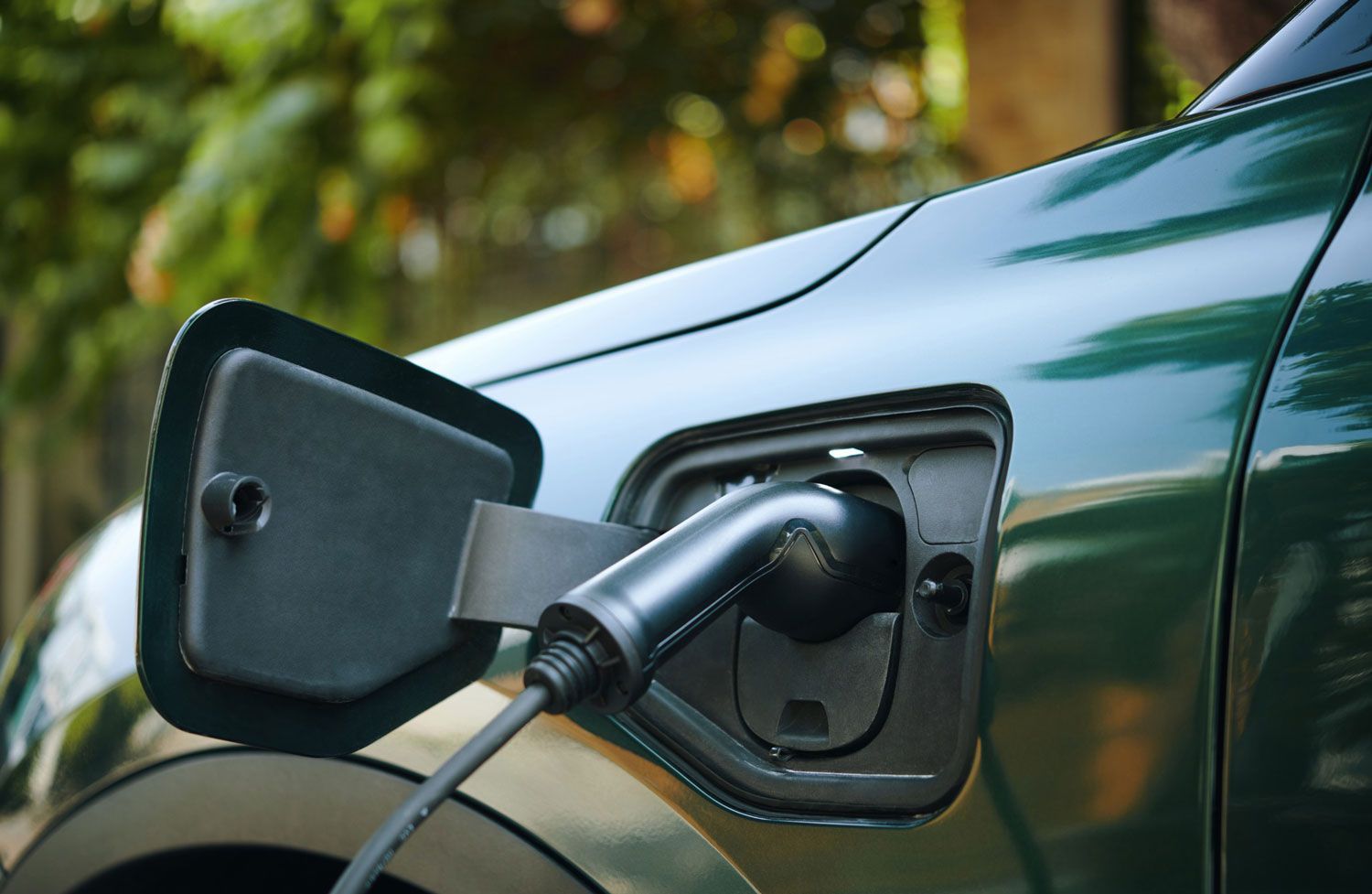
Black electric vehicle charging outside.

Choosing the Right Charger Type

One of the first decisions is selecting the appropriate charger type based on how the chargers will be used.


Level 2 (240V Charging)

Level 2 chargers are the most common choice for commercial properties. They’re well-suited for:

  • Office buildings and workplaces
  • Retail centres and shopping plazas
  • Hotels and hospitality sites
  • Multi-family and mixed-use developments

These chargers work best when vehicles are parked for one to several hours. They offer a strong balance between charging speed, installation cost, and electrical requirements, making them ideal for most business environments.


Level 3 (DC Fast Charging)

DC fast chargers deliver much higher power and are designed for quick turnaround charging. They’re typically used at:

  • Fleet depots and logistics hubs
  • Public charging corridors and rest stops
  • High-traffic commercial locations
  • Businesses located along major highways


While fast chargers provide rapid charging, they require significantly more electrical capacity and a higher upfront investment. Understanding expected usage patterns is essential before committing to this option.

Power and Electrical Requirements

Electrical capacity is one of the most important — and often underestimated — aspects of a commercial EV charging project.

Before installation, businesses need to evaluate:

  • Existing electrical panel capacity
  • Transformer availability and loading
  • Distance between chargers and electrical rooms
  • Trenching or conduit routing requirements
  • Load management or smart charging needs
  • Whether electrical upgrades are required

A detailed site assessment ensures the system is safe, code-compliant, and designed to expand as EV adoption increases. Planning for future chargers early often costs far less than retrofitting later.

Placement, Layout, and User Experience

Charger placement directly affects usability, safety, and long-term maintenance. A well-designed layout also minimizes operational issues during Alberta’s winter conditions.

At Evalence, we consider factors such as:

  • Proximity to electrical infrastructure
  • Parking flow and stall accessibility
  • Snow clearing and ice buildup patterns
  • Lighting, visibility, and security
  • Cable management, bollards, and signage

Thoughtful placement improves user experience, reduces wear and tear, and supports reliable year-round operation.

Costs to Expect

Commercial EV charging projects involve more than just purchasing chargers. Typical cost components include:

  • Charging equipment
  • Electrical installation and upgrades
  • Trenching, concrete, or asphalt restoration
  • Permits, inspections, and utility coordination
  • Optional software, networking, and payment systems

Costs vary widely depending on site conditions and charger type. Evalence focuses on efficient system design to avoid unnecessary upgrades while delivering reliable performance and long-term value.x

Incentives and Funding Opportunities

Incentive programs for EV charging change frequently, but many Alberta businesses may be eligible for financial support through:

  • Federal clean transportation or infrastructure programs
  • Municipal or utility-based rebates, when available
  • ESG, sustainability, or carbon reduction initiatives
  • Green building certifications and fleet electrification programs

Evalence helps businesses stay informed on current opportunities and can assist with documentation and technical details required for applications.

Smart Charging and Management Tools

Most commercial charging systems now include software platforms that help businesses manage operations and energy use. Common features include:

  • Usage tracking and reporting
  • User access control
  • Payment and billing options
  • Energy load balancing
  • Remote monitoring and diagnostics

These tools allow businesses to control costs, understand usage patterns, and streamline ongoing management — especially as charger usage increases over time.


Final Thoughts

Installing EV chargers is a forward-looking investment that supports business growth, customer satisfaction, and sustainability goals. With proper planning, EV charging infrastructure can be scalable, cost-effective, and well-suited to Alberta’s climate and electrical environment.


Evalence provides end-to-end commercial EV charging assessments and installation services across Alberta. If your business is considering EV charging, our team is ready to help you design a solution that works today and prepares you for the future.


Recent Posts

Snowy residential street with police vehicles in front of a house.
By Tyler Sieben March 30, 2026
Introduction
By Tyler Sieben March 17, 2026
In an era of increasingly frequent grid instability and severe weather, a home backup power system has shifted from a luxury to a necessity. If you are researching a whole-house standby generator, two names likely dominate your search: Kohler and Generac. Both brands offer robust natural gas generator solutions that integrate directly with your home's fuel line, providing seamless, automatic protection during a power outage. But when you are investing thousands of dollars into your home’s infrastructure, "good enough" isn't the standard. While Generac has long held the title of the most popular consumer brand with its widely recognized Guardian Series, many savvy homeowners and professional electricians are increasingly turning toward Kohler. Known for its industrial-grade heritage and superior engineering, Kohler is often viewed as the "professional's choice"—the generator you buy when you want to ensure your critical electronics and HVAC systems never skip a beat. In this comprehensive comparison, we will break down the latest 2026 models—including the Generac 26kW Guardian and the Kohler 26RCA—to evaluate their performance, reliability, and maintenance requirements. While both companies will keep your lights on, we’ll take a closer look at why Kohler’s commercial-grade internals might just make it the superior long-term investment for your home. At Evalence Renewables , we specialize in providing reliable and code compliant generator installation across Alberta. With extensive experience in residential, commercial, and municipal generator installations, our team offers the technical expertise and local knowledge needed to keep systems functioning efficiently and safely.
By Moha Tuano December 29, 2025
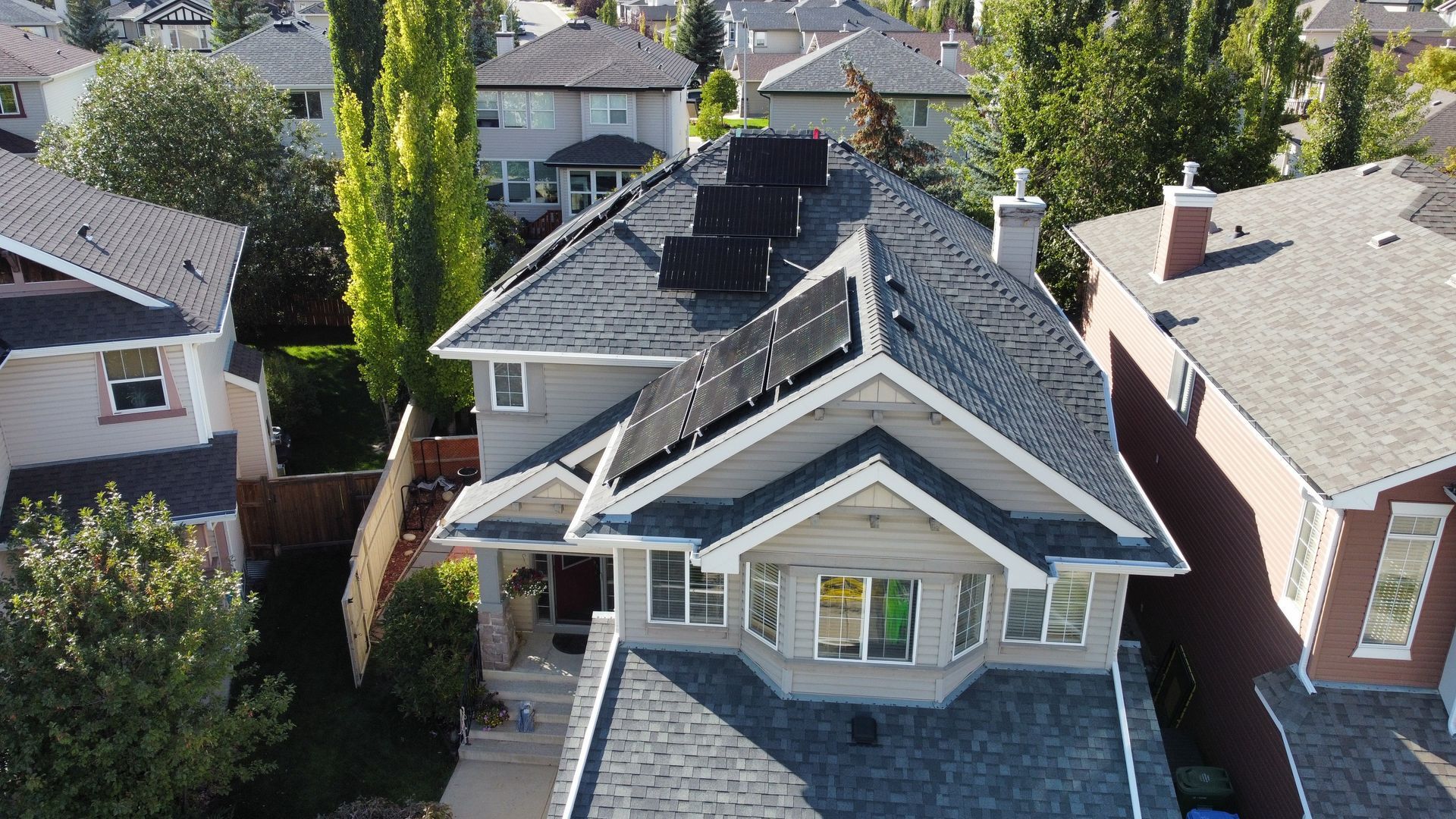
Switching to solar is one of the best investments Alberta homeowners can make — for their homes, their budgets, and the planet. But once you’ve signed your contract, you might wonder — what happens next? At Evalence Renewables, we believe your solar journey should be simple, transparent, and stress-free. Our professional team manages every step — from design to activation — so you can focus on what matters most: enjoying your home and the energy savings that come with it. Here’s a detailed look at what to expect during your solar installation process: